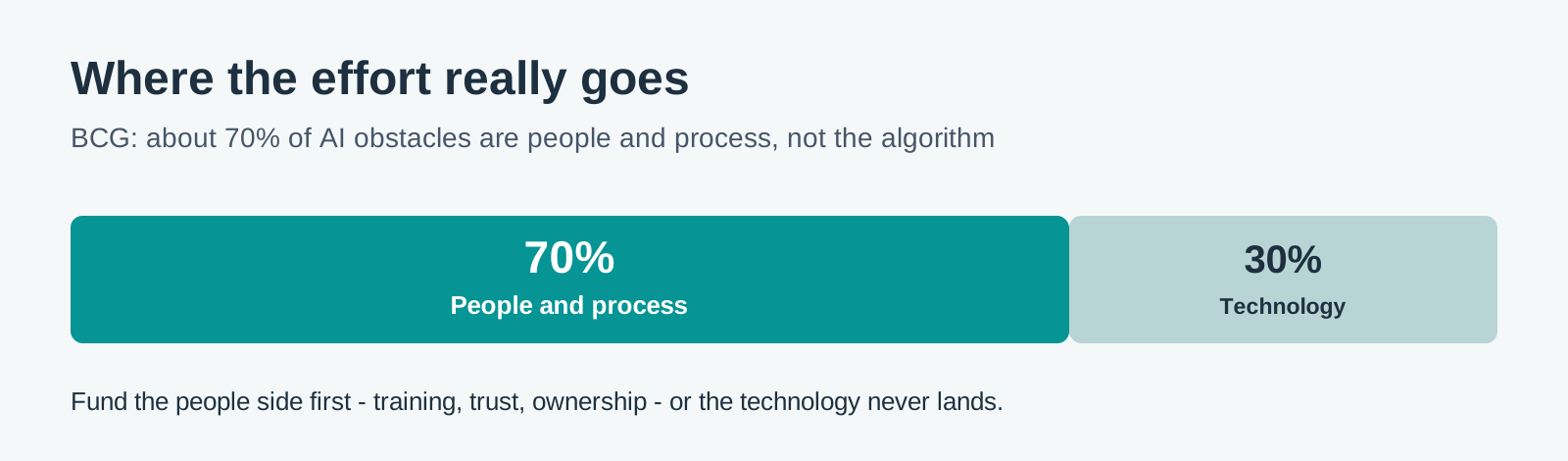
You can buy the best model in the world and still watch it fail on the plant floor. Not because the math was wrong, but because no one trusted it, used it, or owned it. In BCG's 2024 research, about 70% of the obstacles to AI came from people and process - and only 10% from the algorithm itself. Adoption, not accuracy, is where industrial AI lives or dies.
This post answers a scoped question: why is AI adoption in manufacturing mostly a people problem, and what actually makes it stick?
The technology is the easy part
Models, sensors, and dashboards are solvable engineering problems. Getting a skeptical operator to act on an alert at 2 a.m., convincing a supervisor to change a routine that worked for 15 years, and giving a maintenance team a reason to trust a black box - those are the hard problems, and no algorithm solves them.
The human barriers that stall AI
- Fear. "Will this replace me, or expose my mistakes?"
- Distrust of a black box. People will not act on a number they cannot understand.
- No ownership. If no one on the floor owns the tool, it becomes IT's problem and quietly dies.
- Skills gap. A tool nobody knows how to use is shelfware.
- Not-invented-here. Solutions imposed from above meet quiet resistance.
What actually drives adoption
The fixes are human, too.
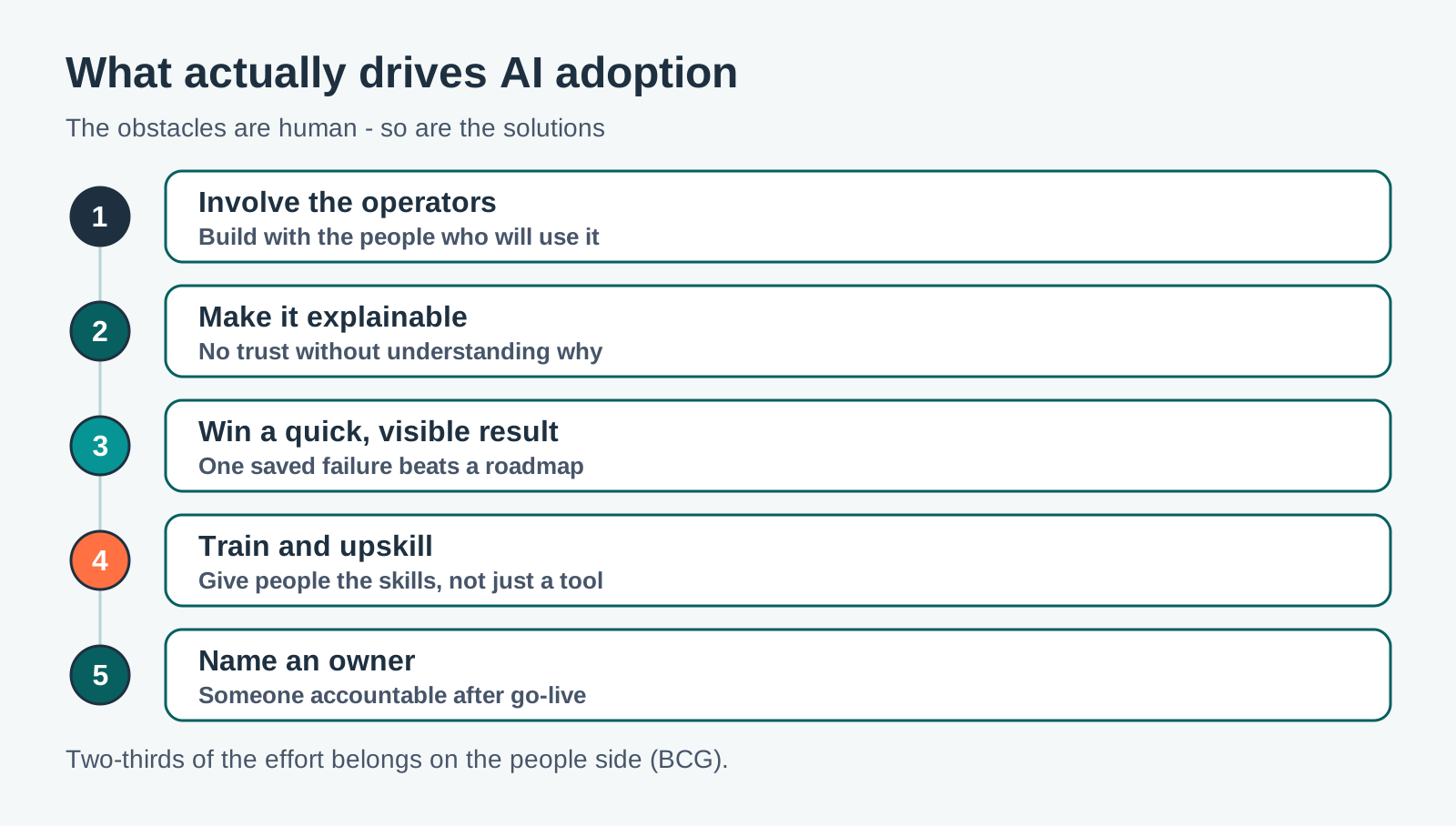
Involve the operators who will use it from day one. Make the model explainable, so a warning comes with a reason. Win one quick, visible result to build belief. Train people so the tool is theirs, not a mystery. And name an owner accountable for it after the pilot team leaves.
Why this matters more in manufacturing
The people closest to the machine hold the domain knowledge the AI needs - and the veto over whether it gets used. Treat them as data sources and end users only, and you lose both the knowledge and the adoption. Treat them as co-owners, and they give you both.
Use case in practice: an anomaly tool on a pharma packaging line
A pharma site rolls out anomaly detection on a blister-packaging line. The model is accurate - and ignored. Operators do not trust the alerts and keep working to the old checklist.
- What changed it: the team sat with two senior operators, let them label what a real defect looks like, and showed the model's reason alongside each alert.
- The quick win: the tool caught a sealing drift an hour before it would have scrapped a batch - in front of the operators.
- The result: the operators became the tool's advocates. Adoption followed, because the people who own the line now owned the model.
Practical rule
Budget for AI the way BCG describes: put two-thirds of your effort into people - involvement, trust, training, ownership - and the rest into technology. A mediocre model people use beats a brilliant one they ignore.
The best data - and the best adoption - comes from involving your experts. Start by letting them label what they know in Predsense labeling: https://www.predsense.ai/products/labeling