Most AI strategies in manufacturing fail before a single model is trained. Not because the algorithms are weak, but because no one can actually see what is happening on the floor.
The data already exists - in PLCs, MES, ERP, maintenance logs, quality systems, and energy meters. The problem is that it lives in ten different tools, owned by ten different teams, and nobody shares the same picture of what "normal" looks like right now.
That is the real starting line of any AI strategy. And it has a name: operational transparency.
You cannot predict what you cannot yet see.
Transparency is a capability, not a dashboard.
It is tempting to equate transparency with "more dashboards." But adding screens rarely adds clarity. Real operational transparency means a single, trustworthy view where signals are connected to processes, assets, and decisions - so an operator, an engineer, and a plant manager are all looking at the same reality.
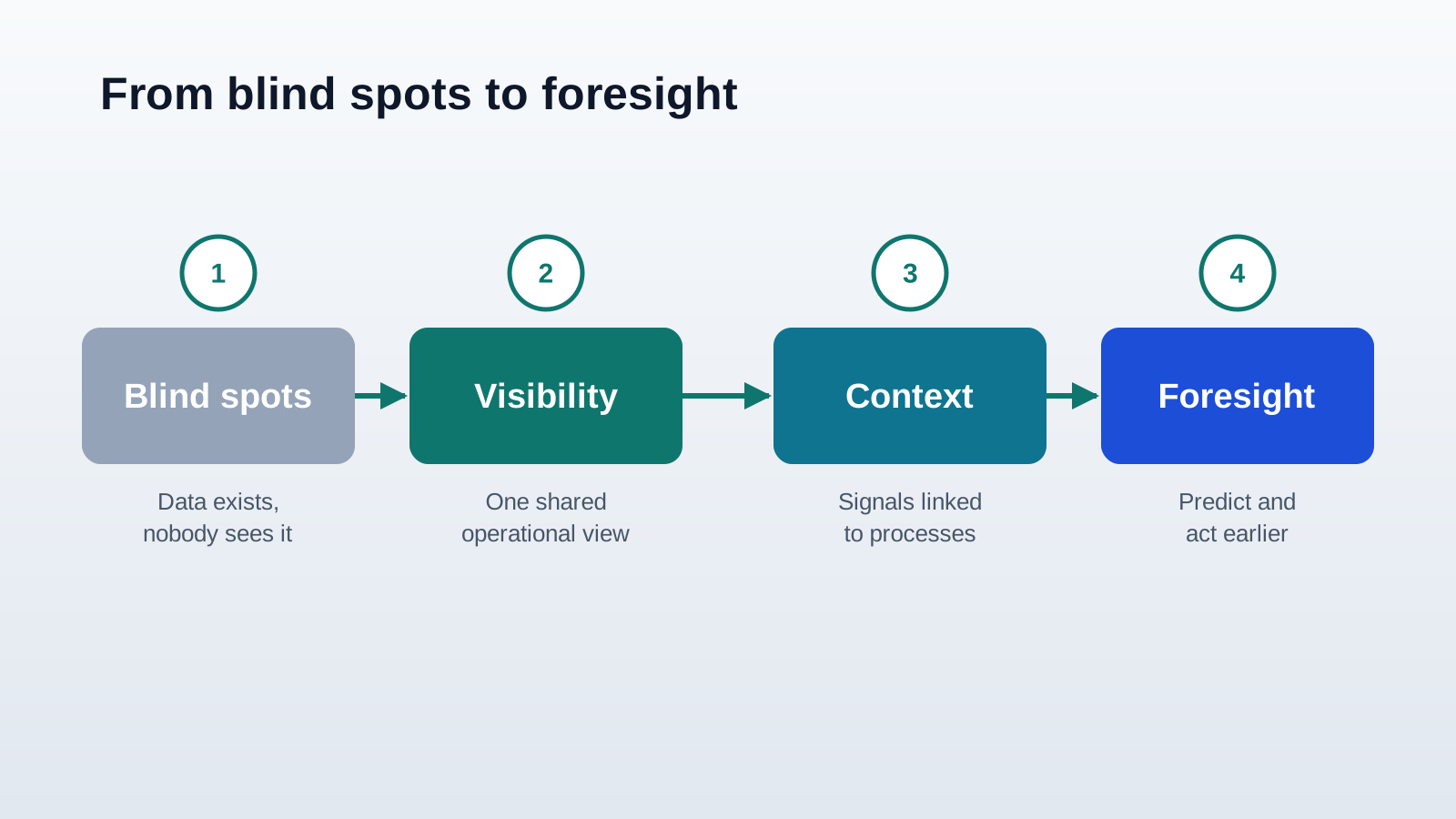
Most organizations move through four stages:
- Blind spots: data is generated but effectively invisible to the people who need it.
- Visibility: one shared operational view replaces scattered, conflicting reports.
- Context: signals are linked to specific processes and assets, not just raw numbers.
- Foresight: with a transparent base, predictive AI can finally detect and act earlier.
Why predictive AI depends on it.
Predictive models are only as good as the operational picture they sit on. Without transparency, teams argue about whose number is correct instead of acting on signals. With it, anomaly detection, early failure warnings, and quality or energy optimization stop being isolated science projects and start sharing one reliable foundation.
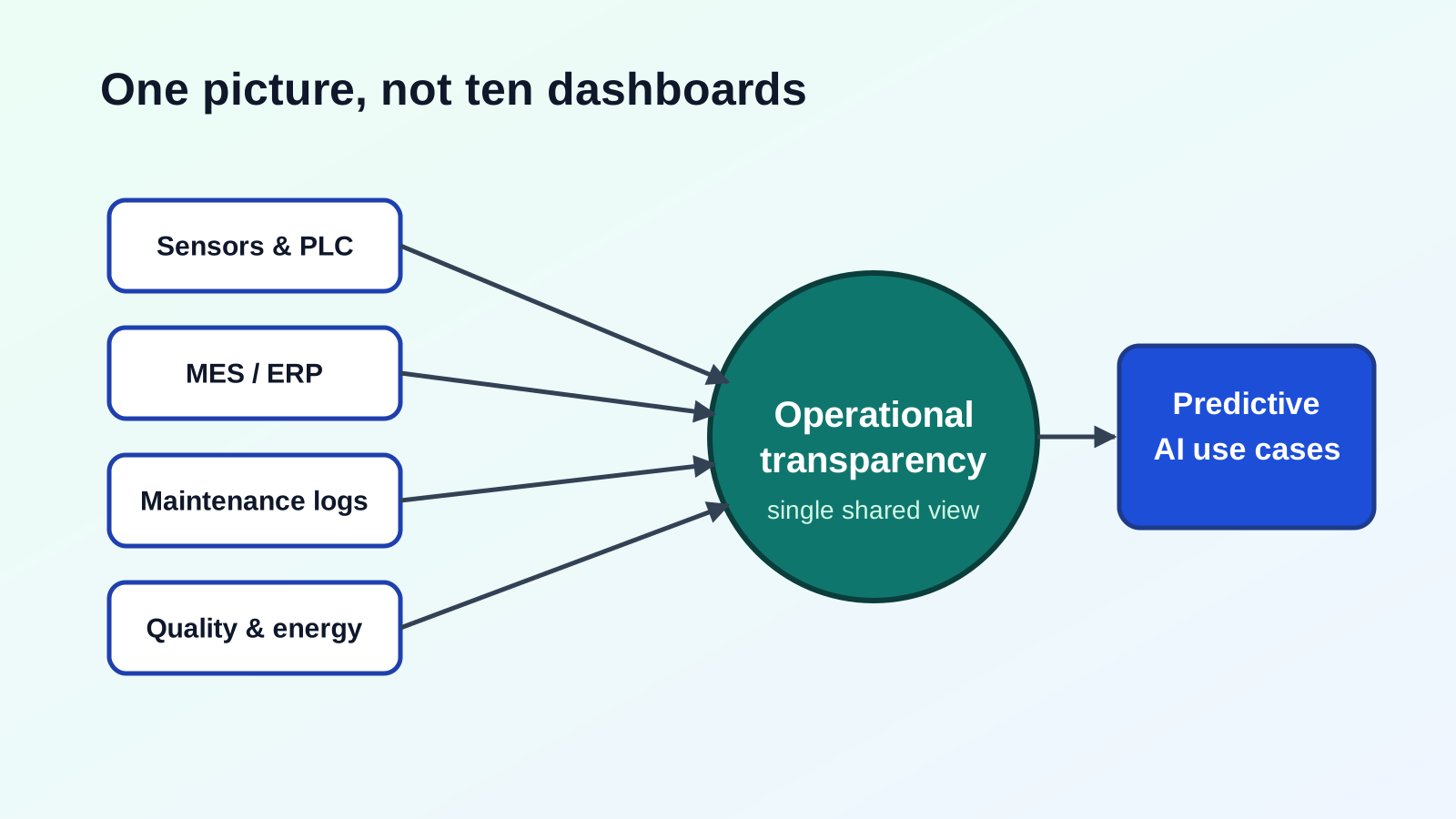
When fragmented sources converge into one operational view, predictive use cases become repeatable rather than heroic one-offs. The same transparent base powers many downstream models, and trust in those models grows because everyone agrees on what they are looking at.
A practical first move.
You do not need a multi-year platform program to start. Pick one line or one asset class, unify its signals into a single view, and agree with domain experts on what "normal" means. That small, transparent foundation becomes the launchpad for your first predictive use case - and the template for scaling the rest.
The first step of your AI strategy is not a model. It is visibility. See clearly, then predict, then act earlier.
Explore how Predsense turns fragmented operational data into predictive foresight: https://www.predsense.ai/