Unplanned downtime is one of the most expensive problems on the shop floor - and one of the most poorly measured. Plants track "hours down" but rarely capture full loaded cost per hour. In 2026, with tighter margins, energy volatility, and shorter customer lead times, the cost of downtime in manufacturing hits faster and harder.
What counts as unplanned downtime?
Any stop or severe slowdown that was not scheduled: equipment failure, material shortage, quality hold, utility outage, operator unavailable, upstream bottleneck. Include partial capacity loss - running at reduced speed with the same staffing is still expensive.
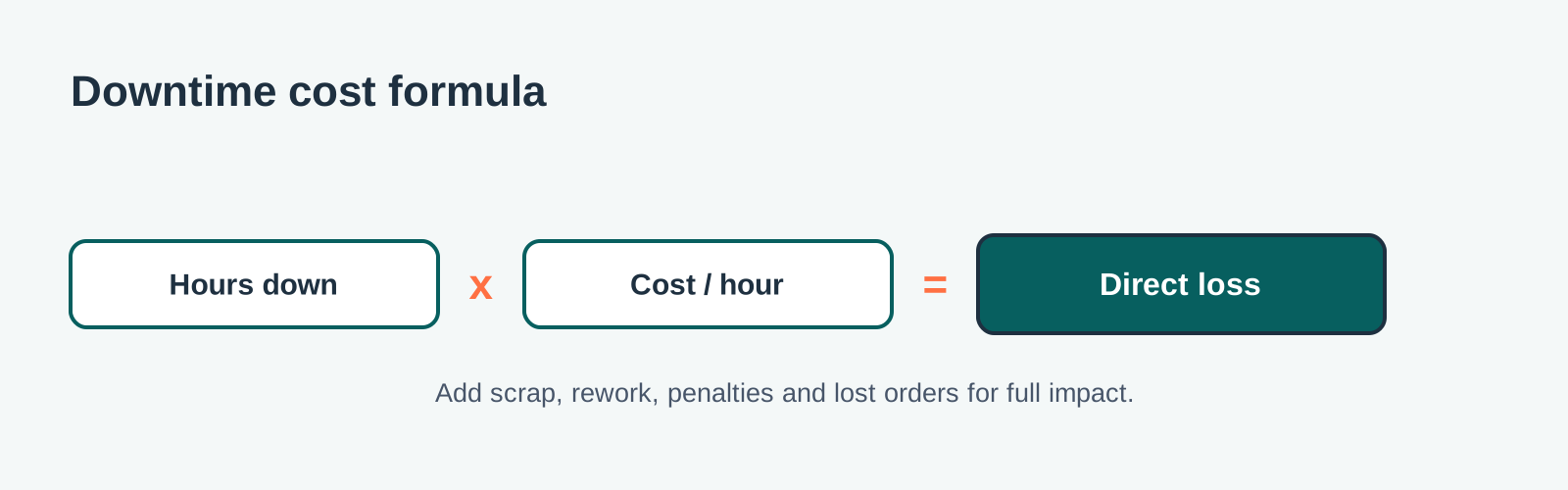
The practical cost formula
Total downtime cost = Hours lost x Cost per hour + Secondary impacts
Where cost per hour should include:
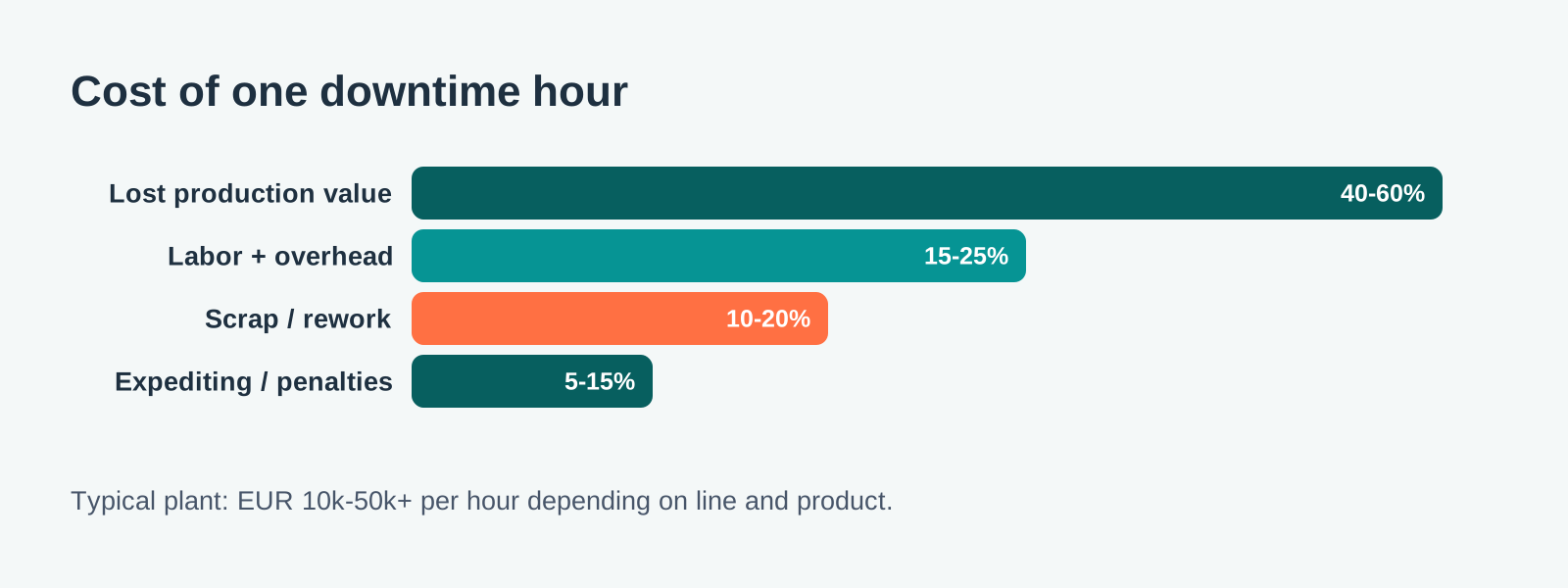
- Lost production value (good units you would have made)
- Labor and overhead still incurred while stopped or slowed
- Scrap and rework triggered by the event or restart
- Expediting, penalties, and lost orders (when applicable)
Typical cost per hour ranges (2026 planning bands)
Numbers vary by industry, line criticality, and product margin. Use these as planning bands, then replace with your plant economics:
- High-volume FMCG / beverage lines: often EUR 15,000 - 50,000+ per hour
- Food processing with strict cold chain: EUR 10,000 - 40,000 per hour
- Discrete assembly (automotive tier): EUR 20,000 - 100,000+ per hour for bottleneck stations
- Batch process / specialty chemicals: highly variable; single batches can exceed EUR 100,000
If you only know daily output value, divide by planned production hours to estimate hourly production value, then add labor/overhead.
Secondary costs leaders forget
- Overtime and contractor premiums after the stop
- Startup instability (quality drift for hours after restart)
- Missed service levels and customer confidence
- Safety incidents under rushed recovery pressure
Why 2026 makes this urgent
Energy costs, labor availability, and supply volatility mean fewer buffer hours in schedules. One bad week of unplanned stops can erase monthly margin on a line.
What to do with the number
Once you know unplanned downtime cost credibly:
- Prioritize assets by risk x cost exposure
- Size predictive maintenance and reliability investments
- Set ROI hurdles for automation and OT projects
- Align maintenance, operations, and finance on one metric
Start this week
Pick your most critical line. Estimate loaded cost per hour. Multiply last quarter's unplanned hours. That single number often changes which projects get funded.
Explore how Predsense helps teams detect risk earlier and reduce costly stops: https://www.predsense.ai/